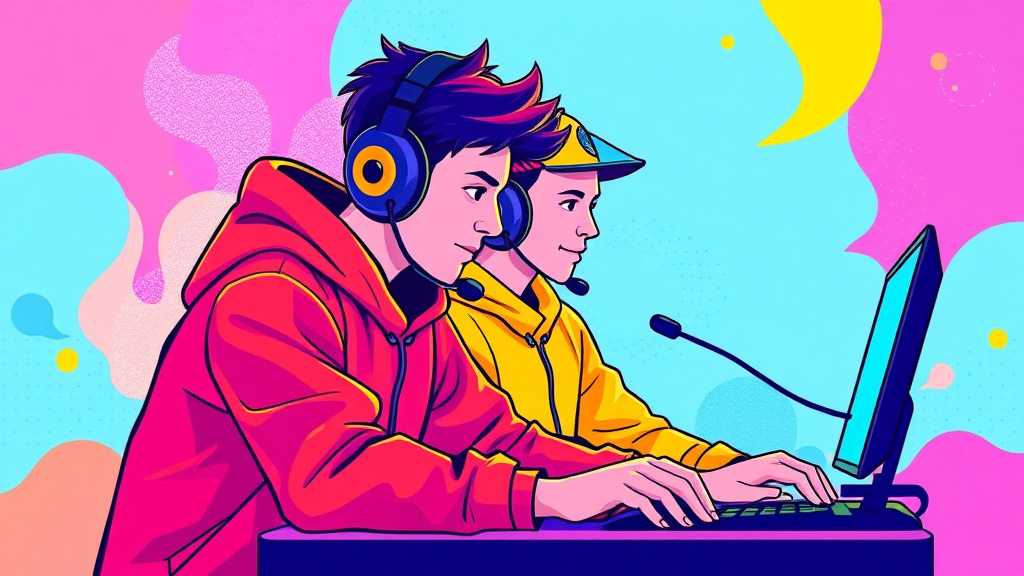

The esports industry is undergoing a significant transformation as professional gaming teams recognize that peak performance goes far beyond mechanical skill and strategic knowledge. With players facing significant strain, grueling schedules, and public scrutiny, leading organizations are now investing substantial resources into comprehensive mental health support programs. This article examines how top teams are prioritizing psychological wellness through dedicated therapists, stress management training, and peer support systems, fundamentally reshaping the competitive gaming landscape and setting new standards for athlete care.
The Emergence of Psychological Wellness Recognition in Esports
The esports industry has seen a substantial change in recent years, with mental health emerging as a essential element of performance at the highest level. Esports organizations now recognize that emotional stability significantly affects performance, consistency, and longevity in the sport. This growing awareness originates from greater exposure of mental health challenges and burnout within the competitive gaming community. Major organizations are taking action through developing comprehensive support systems, recognizing that addressing players’ mental health requirements is as critical as improving their competitive performance.
Several high-profile cases of player psychological challenges have driven this organization-wide transformation. Teams have observed directly how untreated psychological issues can harm career prospects and reduce group solidarity. Consequently, leading esports organizations are now investing funds for mental wellness programs, hiring licensed psychologists and counselors, and creating supportive team environments. This proactive approach not only supports player wellbeing but also improves team performance, decreases roster changes, and builds a stronger competitive landscape that recruits top performers looking for teams that emphasize comprehensive player growth.
Full-Scale Assistance Frameworks and Tools
Professional Mental Health Infrastructure
Leading esports organizations have created dedicated mental health departments staffed with licensed psychologists, therapists, and counselors specializing in esports-related challenges. These professionals work directly with players to address stress, exhaustion, and mental strain of competitive gaming. Teams now provide regular one-on-one therapy sessions, group counseling, and crisis intervention services. This infrastructure ensures players have quick connection to trained psychological experts who understand the distinct demands of competitive gaming, establishing a safe environment for discussing mental health concerns without stigma
Holistic Wellness Solutions
Beyond standard therapy, teams have put in place all-encompassing wellness programs covering stress reduction workshops, meditation training, sleep improvement programs, and physical fitness programs. Many organizations provide sports psychologists who teach psychological resilience strategies, mental imagery exercises, and behavioral approaches tailored to gaming success. Players gain knowledge on nutrition, physical activity, and work-life balance to support overall mental health. These extensive programs recognize that mental health spans across multiple life areas, creating durable support structures that enhance both psychological resilience and athletic performance for elite players.
Implications and Future Direction
The dedication to mental health support by esports organizations is already yielding quantifiable improvements across the industry. Organizations adopting full-scale mental wellness initiatives report significant improvements in player performance, reduced burnout rates, and enhanced team cohesion. These favorable results are drawing interest from established sports bodies and corporate sponsors, legitimizing esports as a legitimate competitive space where athlete wellness directly correlates with success and ongoing success.
Looking ahead, mental health support is set to emerge as a standard expectation rather than a competitive advantage in professional gaming. Emerging trends suggest teams will broaden offerings to include family therapy, financial planning assistance, and extended career development assistance. The normalization of mental health discussions within esports communities is reducing stigma and motivating young athletes to seek help proactively, establishing healthier competitive cultures from grassroots levels upward.
As esports maintains its rapid expansion, the focus on mental health infrastructure will probably emerge as a key differentiator for hiring and retaining of top talent. Organizations that implement comprehensive support systems in the present are cementing their status as industry leaders while contributing to a more sustainable and humane competitive environment. This transformation reflects a broader shift toward understanding that true professional excellence encompasses both mental and physical well-being.
